


Artificial intelligence is beginning to reshape how companies operate—not only in products, but in how organizations themselves are built. One of the most overlooked transformations is happening inside hiring.
For decades, recruitment has largely remained a manual process driven by resumes, job descriptions, and fragmented communication between hiring managers and HR teams. But as companies scale faster and compete globally for specialized talent, that model is increasingly breaking down.
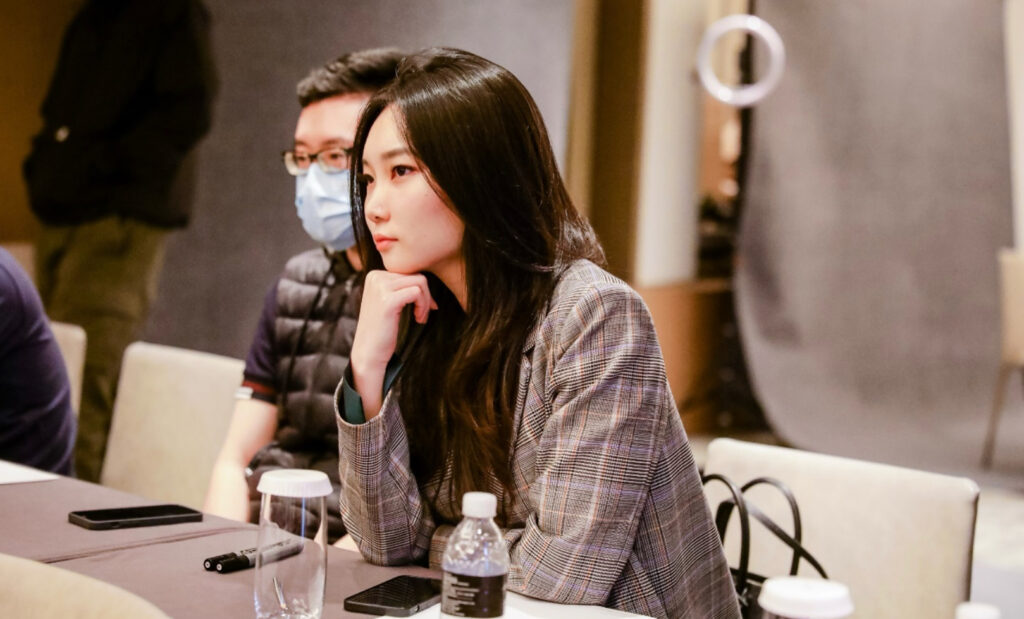
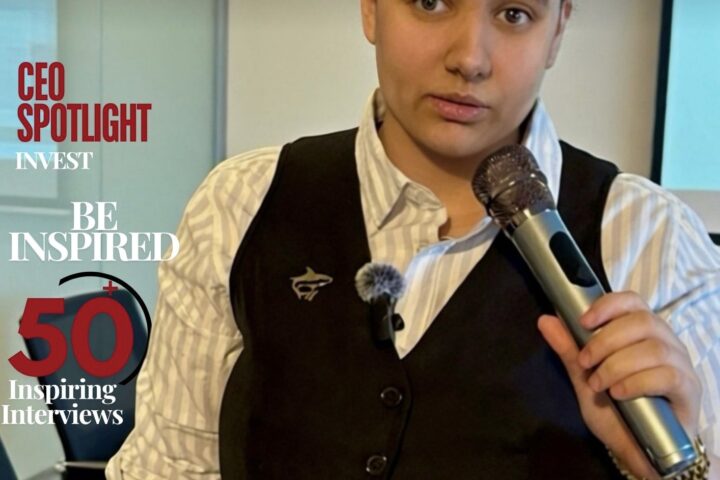
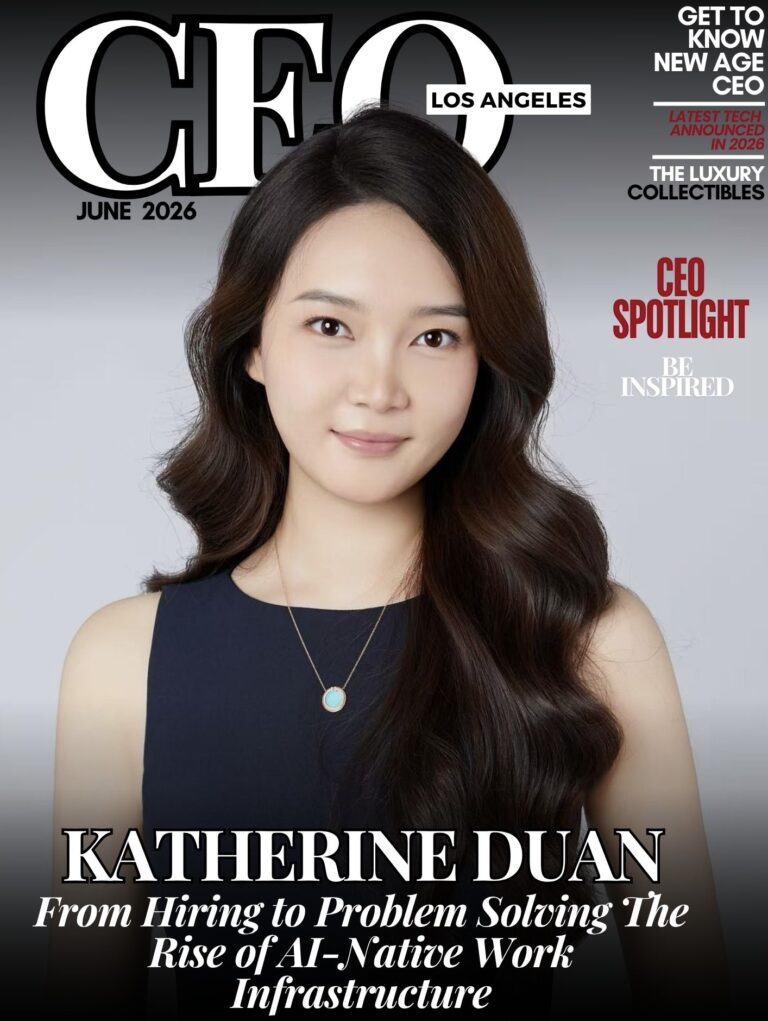
Katherine Duan believes hiring was never meant to be a resume-matching exercise in the first place. “It’s fundamentally a problem-solving process,” she explains. “A company isn’t hiring a person—it’s trying to solve a problem.” Duan is the co-founder and chief operating officer of Brix, a Silicon Valley–based AI platform that is rethinking how companies identify, evaluate, and mobilize talent worldwide. Rather than treating hiring as a static workflow, Brix approaches it as a dynamic system where human expertise and autonomous AI agents collaborate to execute complex work.
Within just eighteen months of launch, the company has grown rapidly, reaching tens of millions in annualized revenue and serving more than 120 technology companies globally. Its customers range from fast-growing AI startups to multinational organizations navigating global talent shortages. The company was also selected into HF0, one of Silicon Valley’s most selective startup accelerators, further signaling strong interest in the emerging category of AI-native work infrastructure.
At the center of Duan’s vision is what she calls a Human + AI Agent operating model.
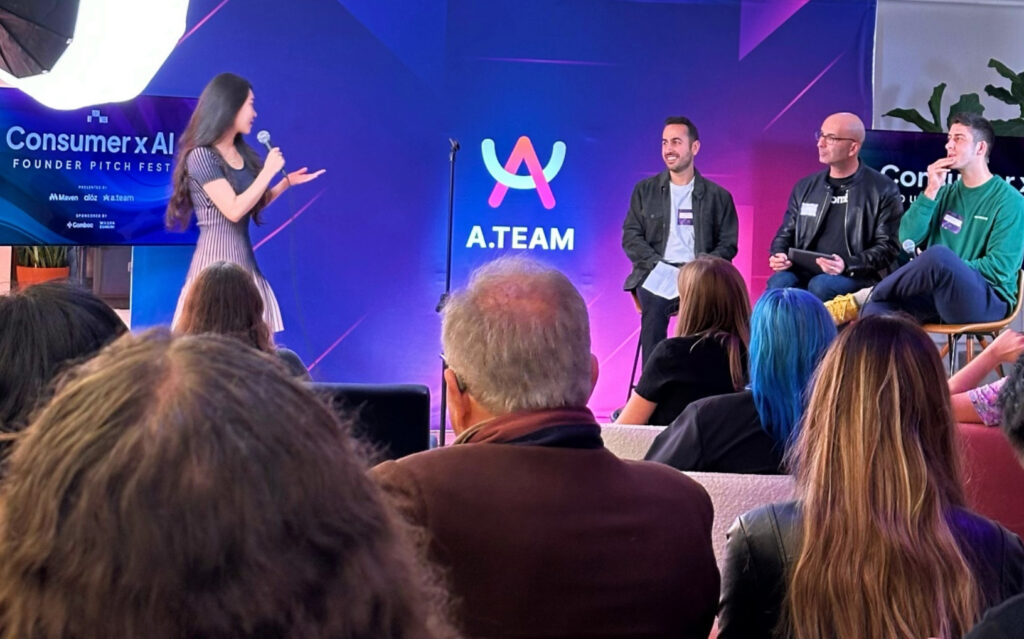
In traditional recruiting, much of the process is spent on repetitive coordination: mapping markets, searching candidate databases, sending outreach messages, scheduling interviews, and aligning internal stakeholders. These steps often consume weeks of time while adding little strategic value.
Brix redesigns this workflow by deploying AI agents to handle the high-friction layers of execution.
The system first translates hiring intent into structured requirements, then analyzes global labor market signals to benchmark the role against real hiring patterns. From there, AI agents search across hundreds of millions of professional profiles and automatically generate personalized outreach to potential candidates.
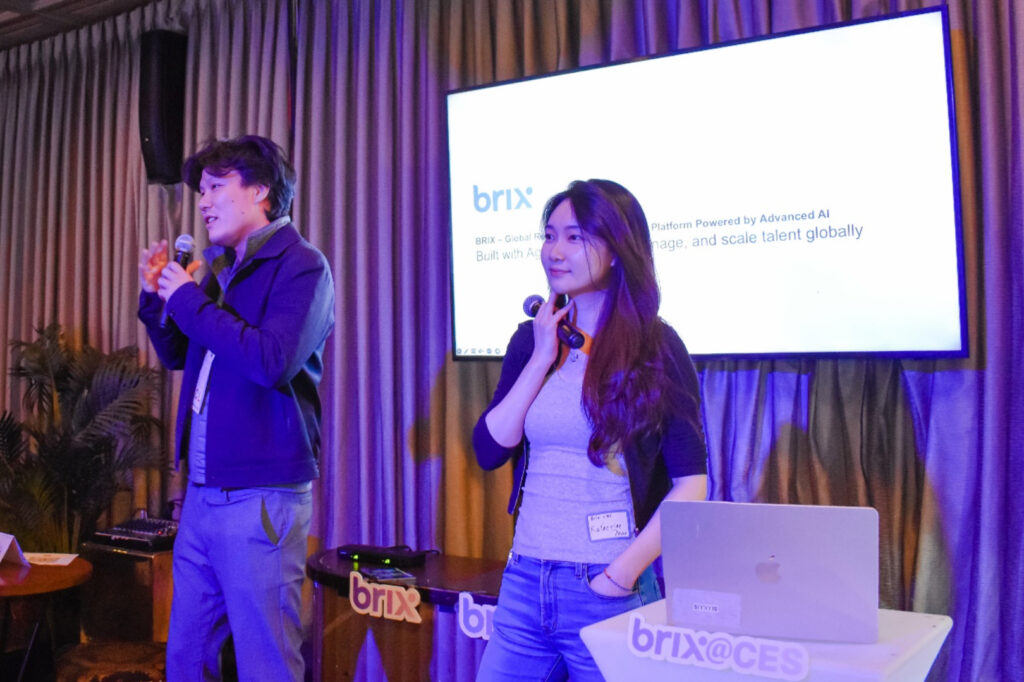
Meanwhile, Brix’s global recruiter network focuses on the parts of hiring where human judgment matters most: evaluating nuanced experience, building trust with candidates, and guiding final decision-making.
This hybrid system dramatically accelerates execution. Companies using Brix have reported sourcing thousands of candidates per day, with dramatically improved interview conversion rates compared with traditional recruiting pipelines. But Duan sees hiring as only one piece of a much larger shift.
As AI systems become more powerful, the limiting factor in building intelligent software is no longer computing power or algorithms—it is high-quality human input. Training and evaluating modern AI models increasingly requires expert-level human judgment rather than commodity data labeling. This has created an entirely new category of work: human data generation.
Brix has expanded its infrastructure to support this emerging market as well. The platform recruits and coordinates specialized experts across fields such as software engineering, research, and domain-specific analysis, enabling companies to build more capable AI systems through structured human feedback. In this sense, Duan believes the company is building something closer to a global execution layer for knowledge work.

The future of work isn’t about replacing people with AI,” she says. “It’s about designing systems where AI handles the friction, and humans focus on trust, judgment, and relationships.”
Before founding Brix, Duan built her career at Boston Consulting Group, where she worked on digital transformation and organizational strategy for large enterprises. That experience exposed her to a persistent structural problem: while companies invested heavily in technology, the way teams were assembled and managed often remained outdated. After leaving consulting, Duan founded and exited two technology ventures, experiences that shaped her perspective on global talent networks and cross-border collaboration.
Her current focus reflects a broader belief that AI will fundamentally reshape how organizations function. Instead of static job roles and rigid hierarchies, work may increasingly be coordinated through flexible systems where human expertise and AI capabilities are dynamically combined. If that vision materializes, hiring itself will evolve into something much closer to what Duan originally described: a continuous process of solving problems by assembling the right mix of people, knowledge, and machines. And for a growing number of companies building in the AI era, that future may already be arriving.
Organizations interested in exploring AI-native hiring workflows can learn more at www.joinbrix.com